

Blog
Why Experience Beats Technology in Aviation

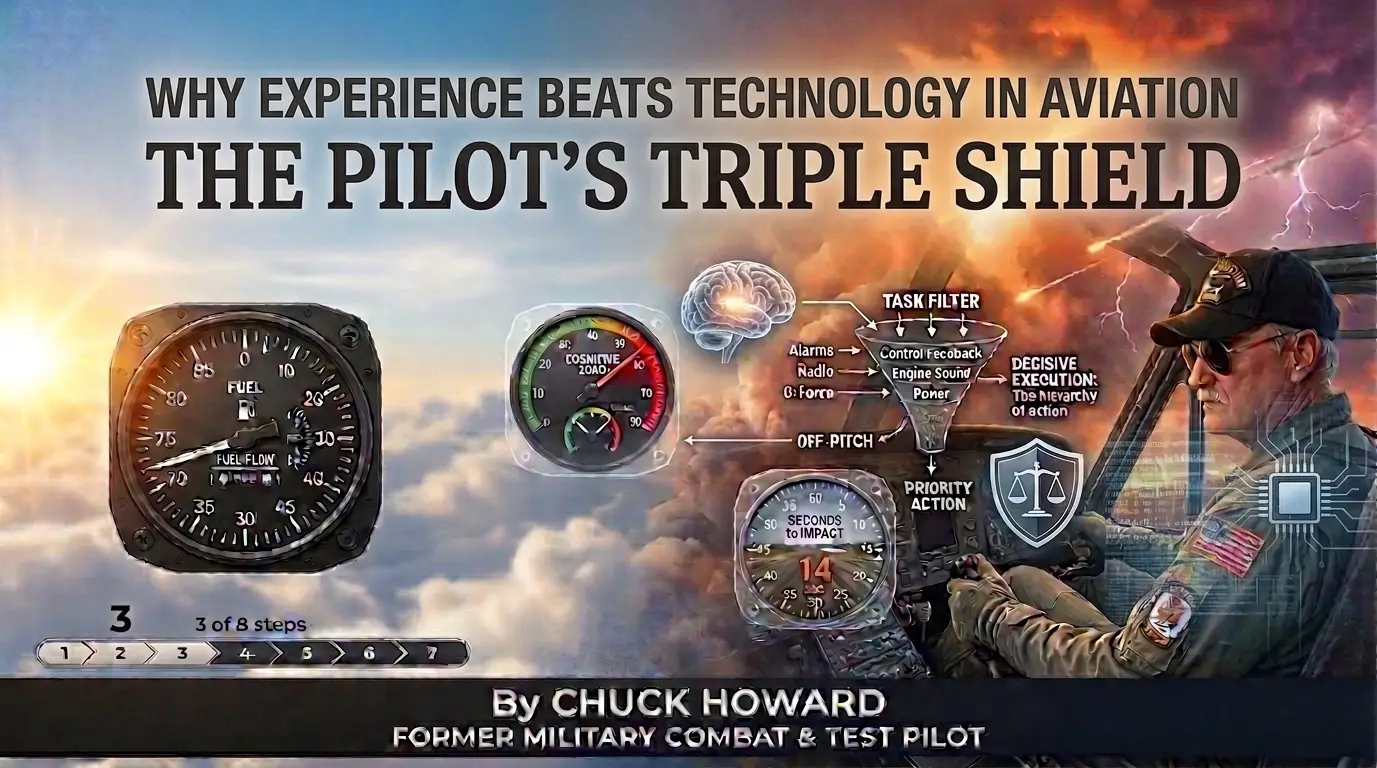
Modern aviation is built on technology. Advanced avionics, GPS navigation, autopilot systems, and real-time data have transformed flying into a highly precise and efficient discipline. Aircraft today are safer, smarter, and more capable than ever before. But despite these advancements, one truth remains unchanged: experience still matters more than technology.
Technology can assist, enhance, and even compensate—but it cannot replace judgment. And in aviation, judgment is what ultimately keeps you alive.
The Rise of Automation in the Cockpit
Over the past few decades, automation has become deeply embedded in aviation. From commercial airliners to general aviation aircraft, pilots now rely on systems that can manage navigation, maintain altitude, adjust speed, and even execute landings.
This shift has brought undeniable benefits. Workload is reduced, precision is improved, and human error in routine operations is minimized. However, automation also introduces a new kind of risk—overdependence.
When pilots rely too heavily on systems, their ability to respond when those systems fail can degrade.
Technology Has Limits
No system is flawless. Instruments can fail, sensors can provide inaccurate data, and software can behave unpredictably. GPS signals can be lost, autopilot modes can disengage, and electrical failures can take down multiple systems at once.
In these moments, the pilot is no longer managing a system—they are flying an aircraft.
When Systems Go Quiet
One of the most dangerous scenarios in aviation is not an obvious failure, but a subtle one. A system that provides incorrect information without alerting the pilot can create a false sense of security. Without strong foundational skills, a pilot may trust the system over their own perception.
Experienced pilots, on the other hand, cross-check constantly. They don’t rely on a single source of information. They verify.
Experience Builds Situational Awareness
Situational awareness is not something that can be programmed. It is developed over time through exposure to different conditions, environments, and challenges.
An experienced pilot is constantly interpreting what is happening—not just reacting to instruments, but understanding the bigger picture.
Reading Beyond the Instruments
Subtle cues often provide early warnings: – A slight change in engine sound – An unusual vibration – A control response that feels delayed or inconsistent
These signals may not trigger alarms, but they matter. Experience teaches pilots to recognize and act on them.
Decision-Making in Unscripted Situations
Training prepares pilots for known scenarios. Experience prepares them for the unknown.
When There Is No Checklist
In real-world flying, problems rarely occur in isolation. A weather issue may coincide with a system malfunction. A navigation challenge may occur alongside fuel concerns. These situations require prioritization and rapid decision-making.
Technology can provide data, but it cannot decide what matters most in the moment.
Experienced pilots develop the ability to make timely, effective decisions under pressure. They understand when to follow procedure—and when to adapt.
The Human Factor
Aviation is as much about human performance as it is about mechanical systems. Stress, fatigue, and cognitive overload all affect decision-making and reaction time.
Managing Pressure
Technology does not eliminate pressure—it changes how it is experienced. When systems fail, the workload increases suddenly and dramatically. Pilots must transition from monitoring to manual control instantly.
Experience helps manage this transition. It builds confidence, reduces hesitation, and allows for clearer thinking under stress.
The Illusion of Safety Through Technology
There is a common misconception that more technology automatically means greater safety. While technology does enhance safety, it can also create complacency.
Complacency and Skill Degradation
When systems handle most tasks, pilots may become less engaged. Over time, this can lead to a decline in manual flying skills and situational awareness.
In critical moments, this gap becomes apparent.
Pilots who actively maintain their fundamental skills are better prepared to handle unexpected situations.
Experience Creates Adaptability
No two flights are identical. Weather changes, environments differ, and aircraft behave differently depending on conditions. Adaptability is essential.
Adjusting in Real Time
Experienced pilots are comfortable deviating from plans when necessary. They recognize when conditions are changing and adjust accordingly. This flexibility cannot be programmed—it is learned.
Adaptability is what allows a pilot to stay ahead of the aircraft rather than reacting to it.
The Role of Technology—Used Correctly
This is not an argument against technology. When used correctly, it is an invaluable tool.
Technology as a Support System
The most effective pilots use technology to enhance their capabilities, not replace them. They remain engaged, monitor systems actively, and are ready to take control at any moment.
Technology should reduce workload—not responsibility.
Building Experience Intentionally
Experience is not just about logging hours. It is about the quality of those hours and the lessons taken from them.
Active Learning
Pilots who actively reflect on their flights—analyzing decisions, identifying mistakes, and refining their approach—develop stronger judgment over time. Seeking varied flying conditions and challenges also accelerates growth.
Experience is built through deliberate practice, not passive repetition.
Conclusion
Aviation will continue to evolve, and technology will continue to advance. But the role of the pilot remains central. Systems can assist, but they cannot replace awareness, judgment, and decision-making.
Experience is what allows pilots to interpret information, adapt to changing conditions, and act effectively when it matters most.
In the end, technology may guide the aircraft—but it is experience that guides the pilot.